The Best Way to Make the Gift Feel Like an Experience, Not Just Items
We've all been there. You buy a beautifully wrapped gift—something you thought was thoughtful, useful, and perfect. But when the recipient unwraps it, they stare at the object, perhaps with a polite nod, before asking, "Oh... what do I do with this?" It’s a moment of quiet deflation that reminds us of the inherent challenge in modern gifting: how do you give something tangible that leaves an invisible, lasting feeling?
Material gifts are lovely and undeniably useful. They can hold sentimentality for years. But sometimes, especially when we know the recipient better than they know themselves, we realize that what they truly crave isn't another item to clutter their life. What they want is a story. The true art of giving lies not in the dollar value of the object, but in the memory it helps create. If you’ve ever felt overwhelmed by the sheer weight of "stuff," rest assured you are not alone. This guide shares actionable strategies for shifting your gifting focus from ownership to adventure.
Rethinking Value: From Stuff to Shared Moments
The first step toward better gifting is a mindset shift—recognizing that emotional value rarely correlates with physical size or price tag. We must start viewing gifts as catalysts, not endpoints. A gift should be the spark plug for an activity, conversation, or shared journey.
How can we move past the impulse buy of the dreaded novelty gadget? By focusing on utility in a non-physical sense. Instead of giving a nice coffee mug (another thing to wash), give the gift certificate and the accompanying promise: "Let's spend a Saturday morning tasting local roasts together." This immediately changes the recipient’s focus from owning an item to anticipating an activity.

This principle works regardless of the occasion, whether it's a birthday or just because. It forces both giver and receiver to engage with the gift actively. When you consider the best way to make the gift feel like an experience, not just items, you are essentially selling time, attention, and possibility—and those things rarely depreciate.
Curating "Pocket Experiences": Small Gifts with Big Impact
You don't always need a weekend trip to create magic. Sometimes, the most potent experiences are small, highly curated moments that fit easily into daily life. These are what I like to call “pocket experiences.” They require minimal logistics but maximize emotional return.
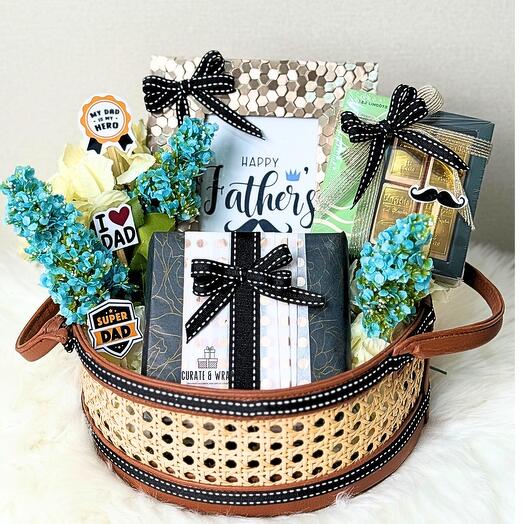
For example, instead of buying a gourmet box of chocolates (a perfect item), you could put together a "Date Night in" kit. This isn't just chocolate; it’s the chocolate paired with a specific playlist QR code, two specialized wine glasses (that they might already own, but that elevate the moment), and a recipe card for dipping fondue. The arrangement transforms three separate items into one cohesive event.
Anecdotally, I once gave my friend who was recovering from burnout a box containing only an expensive bottle of fancy tea, a notebook, and a single pair of noise-canceling earplugs. My note read: "Your assignment for the next week is to commit two hours to uninterrupted silence. No scrolling allowed." The gift wasn't the tea; it was the permission slip to rest—a luxury far more valuable than any purchase.
Are we so quick to measure thoughtfulness by cost that we neglect the power of simple intention? These small, highly themed kits prove that thoughtful curation is often more powerful than sheer expense.
The Art of Context: Making the Unboxing a Ceremony
Even if you are giving an inherently experiential gift—say, tickets to a concert or a workshop class—the presentation matters immensely. You can’t just hand over a receipt and say, "Here." The reveal must be treated like a small ceremony.
This means elevating the wrapping process. Forget generic tissue paper; use materials that evoke the intended experience. If the gift is about nature, wrap it in burlap or twine. If it's sophisticated, use heavy cardstock and wax seals. The physical act of unwrapping should feel momentous, building anticipation like a slow-motion reveal.
Furthermore, always include a personalized, handwritten note that doesn't just list the item, but tells a story about why you chose it. This is where you transition from being a shopper to being an emotional guide. As Maya Angelou wisely noted: "You will most of all remember not the things, but the way you made people feel." That feeling—that sense of being seen and understood—is what transforms a material gift into a cherished memory.
Designing Joint Adventures: Gifts Requiring Participation
The ultimate form of gifting is designing an adventure that requires participation from both parties. These gifts are collaborative by nature; they cannot be enjoyed in isolation. They force connection, conversation, and shared vulnerability, which are the true building blocks of lasting memories.
Ideas for joint adventures include:
- Enrollment in a pottery or cooking class together.
- A guided hike or kayaking trip to a local landmark.
- Tickets and reservations for an escape room or theatrical performance.
When you frame the gift this way, you are effectively gifting time. And time with people you care about is arguably the most valuable currency we possess. It's how you achieve the best way to make the gift feel like an experience, not just items—you are investing in a relationship’s future chapters.
Building a Culture of Meaningful Giving Together
The principle that elevates gifting from mere transaction to profound connection isn't about mastering one single technique; it's about cultivating a habit of mindful intention. It is about pausing before you buy anything and asking yourself: What memory am I actually trying to give?
Consider adopting the "Three P" framework for future gifts:
- Purpose: Does this gift serve a purpose beyond aesthetics? (e.g., learning, relaxing, connecting).
- Participation: Does it require the recipient's active involvement?
- Presence: Will using or engaging with this gift make you both present in a shared moment of joy?
By consciously focusing on these elements, your generosity becomes an act of vision—you are seeing past the superficial wrapping paper and aiming directly for genuine human connection. Start small, start intentional, and Take a look at the site here watch how quickly the material clutter gives way to the richness of lived experience.